
Back to the Skies!
The name “Link” has a double meaning in this project.
Besides referring to inventor Edwin Albert Link, it also describes the connection between historical aviation technology and modern simulation systems that this restoration project aims to create.
After spending decades forgotten in storage, this Link Model 45 is now being brought back to operational life using a combination of original hardware, custom electronics and modern flight simulation technology.
The Link Trainer
Origin & Restoration
The exact history of this particular Link Trainer remains largely unknown.
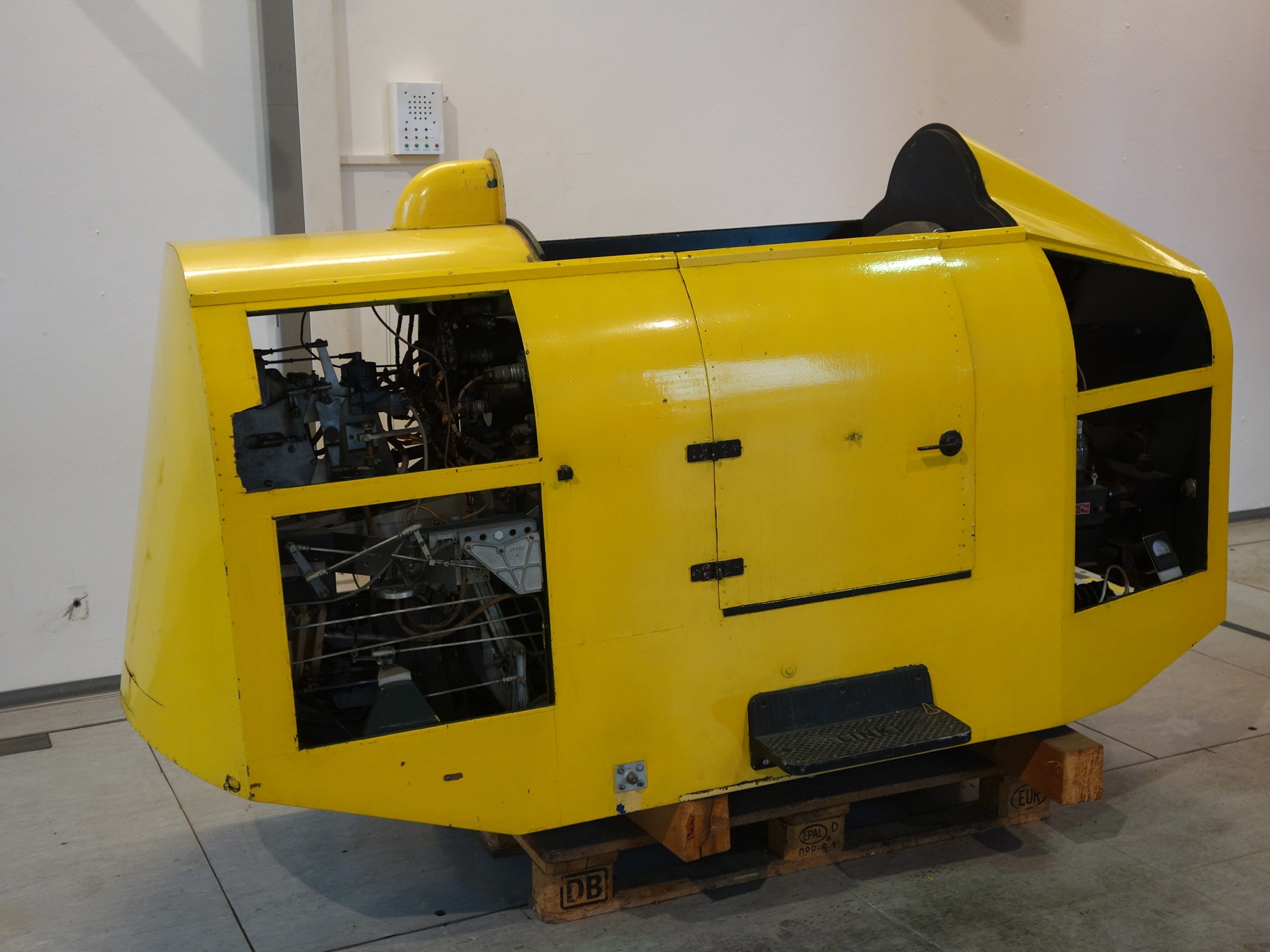
The simulator was originally painted in the characteristic dark blue color commonly used on Link Trainers of that era. At some point later in its life, the entire exterior was repainted in a bright yellow scheme. This has led to the assumption that the simulator may once have been operated by Lufthansa.
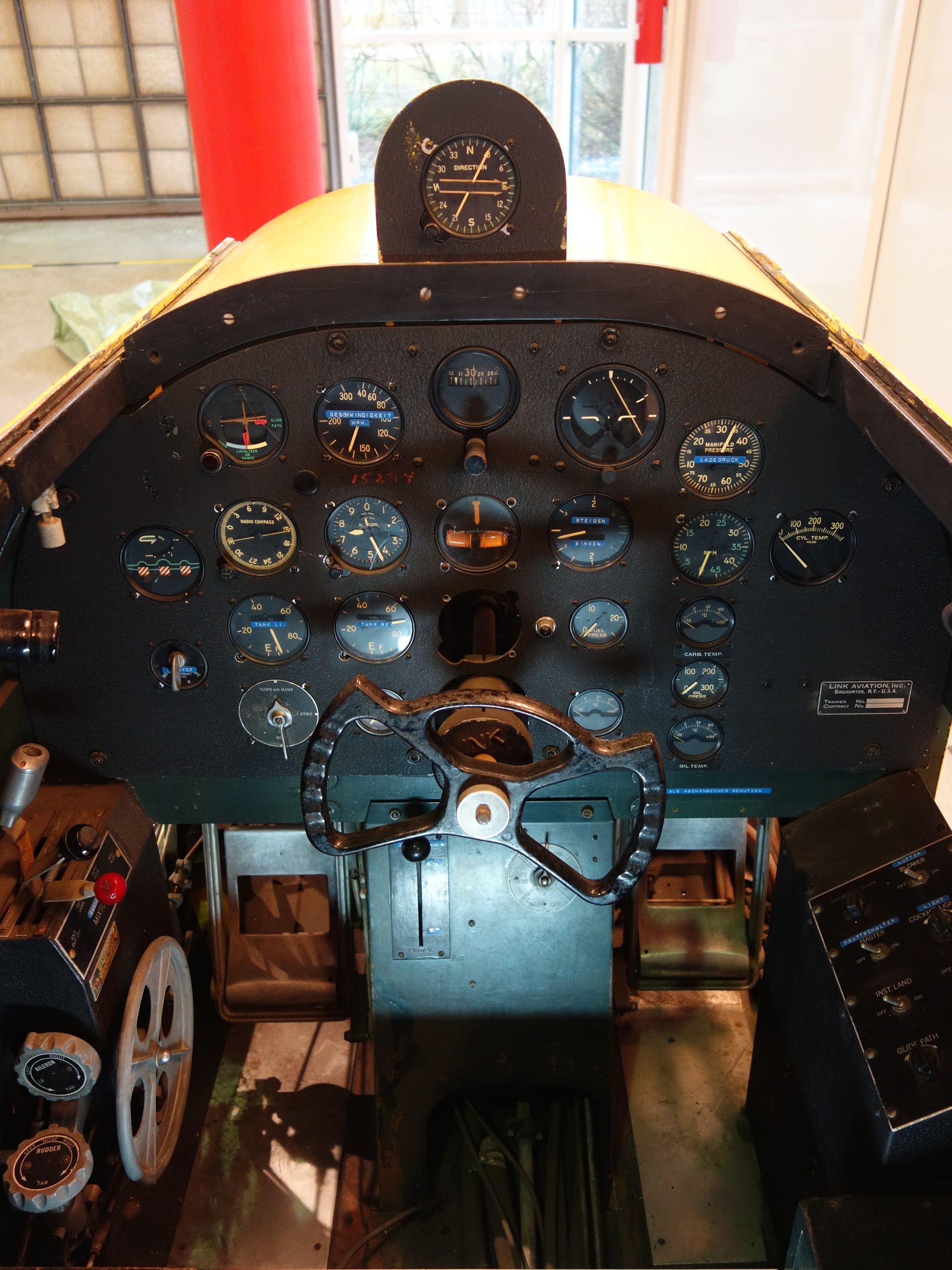
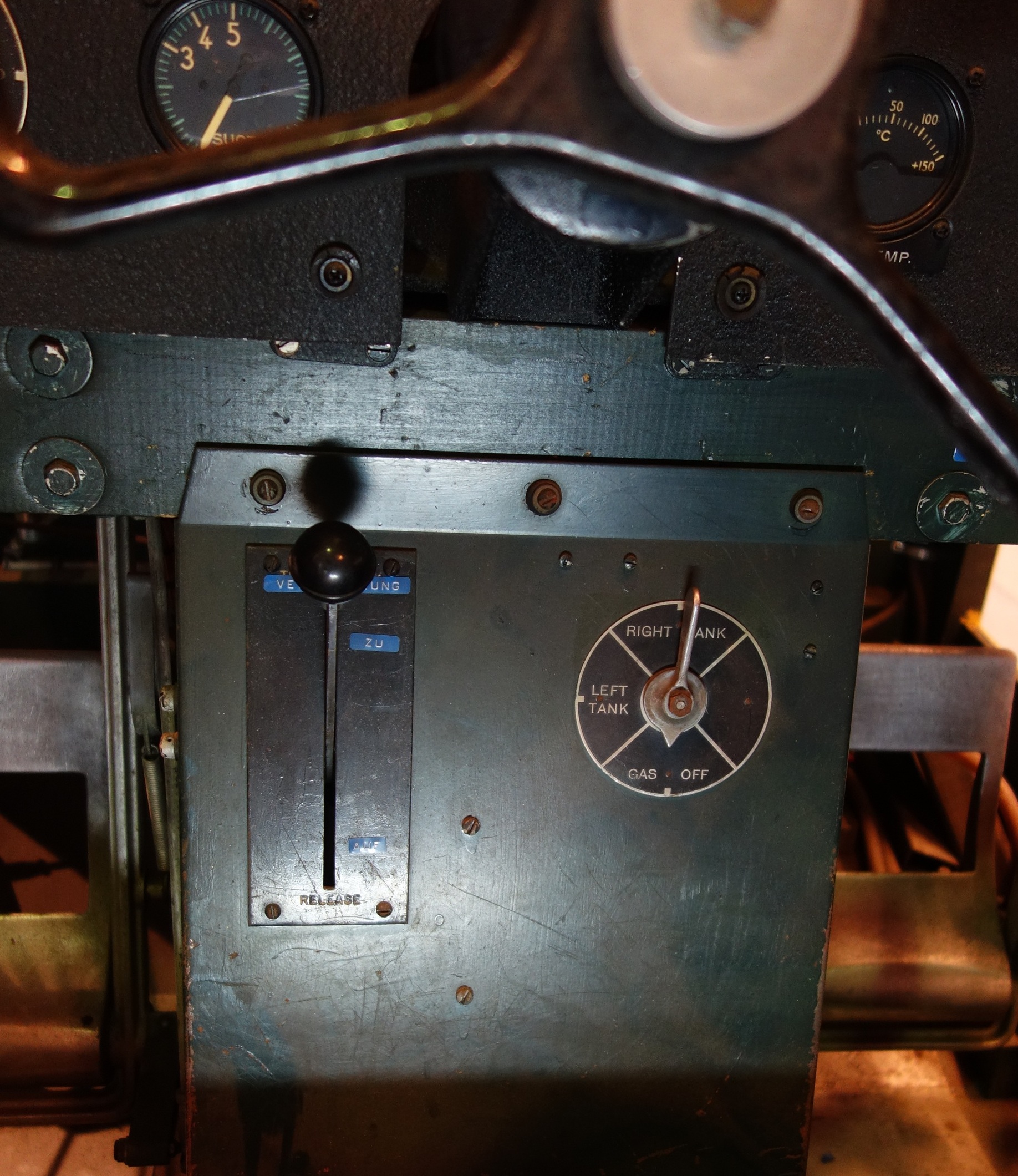
It is also believed that the Link Trainer was later sold and continued in use outside its original operator. Several German labels and cockpit markings appear to have been added much later, probably during the 1970s or 1980s, indicating modifications or continued operation in Germany long after its original service life.
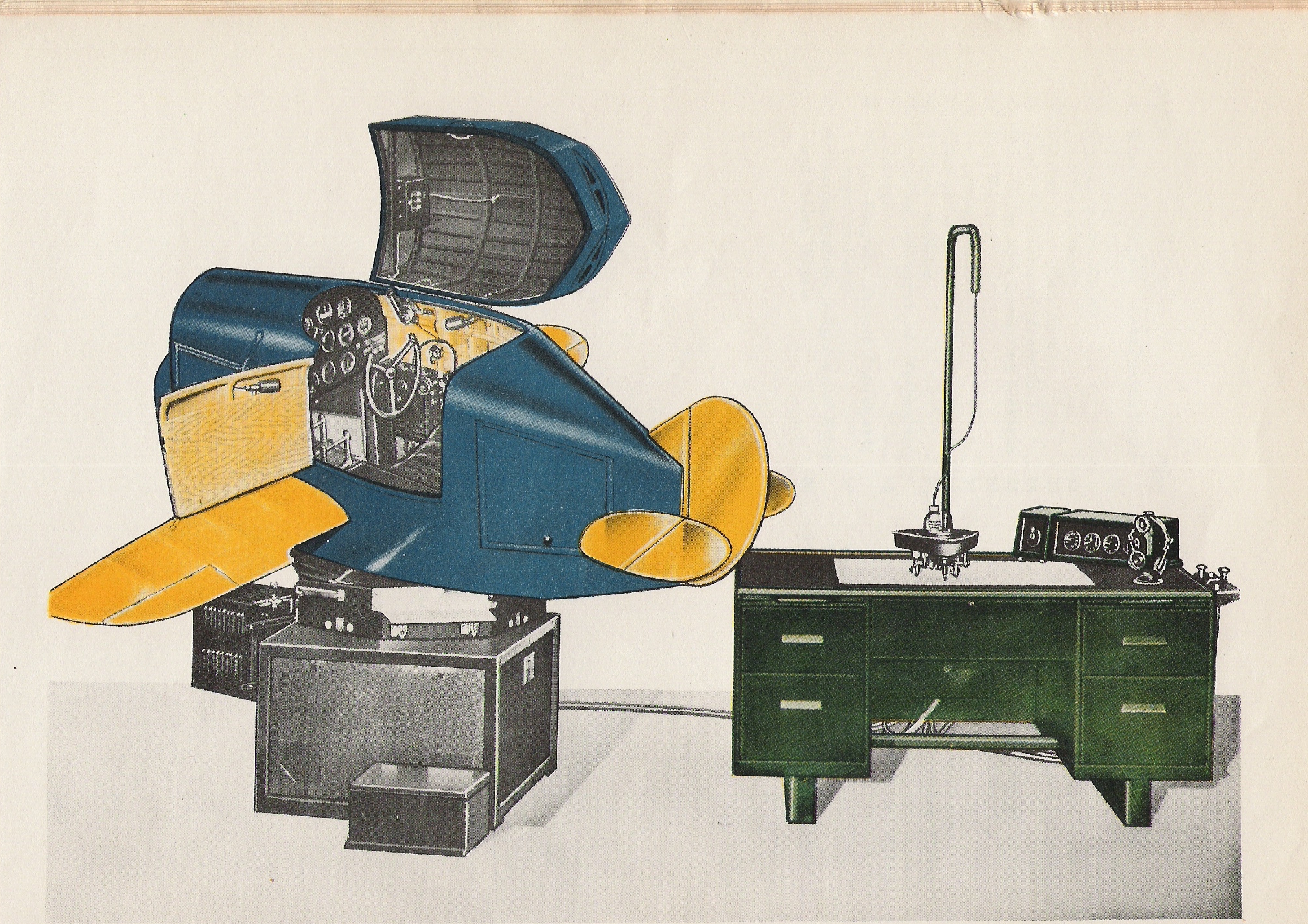
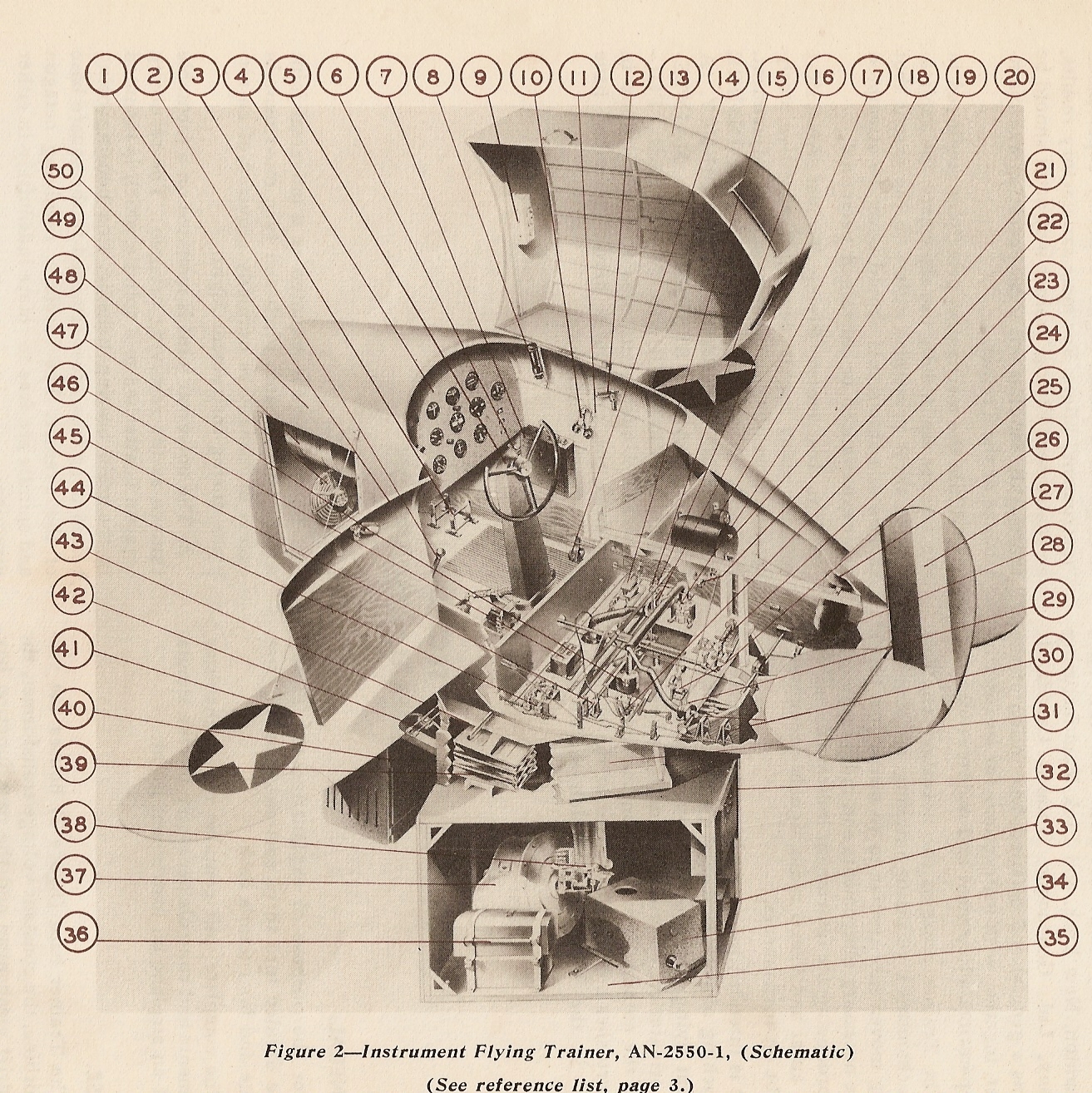
The simulator itself is a Link Model 45, a relatively rare later variant of the famous Link Trainer family. Compared to the earlier “Blue Box” trainers, the Model 45 featured more advanced instrumentation and radio navigation equipment intended for instrument and procedure training.
According to the original manufacturer’s plate, the simulator carries Serial No. 9671.
At some point, the simulator was forgotten in storage at Bremen Airport, where it remained unused for many years before eventually being rediscovered. Despite decades of inactivity, the cockpit structure and most of the original instruments survived in remarkably complete condition.
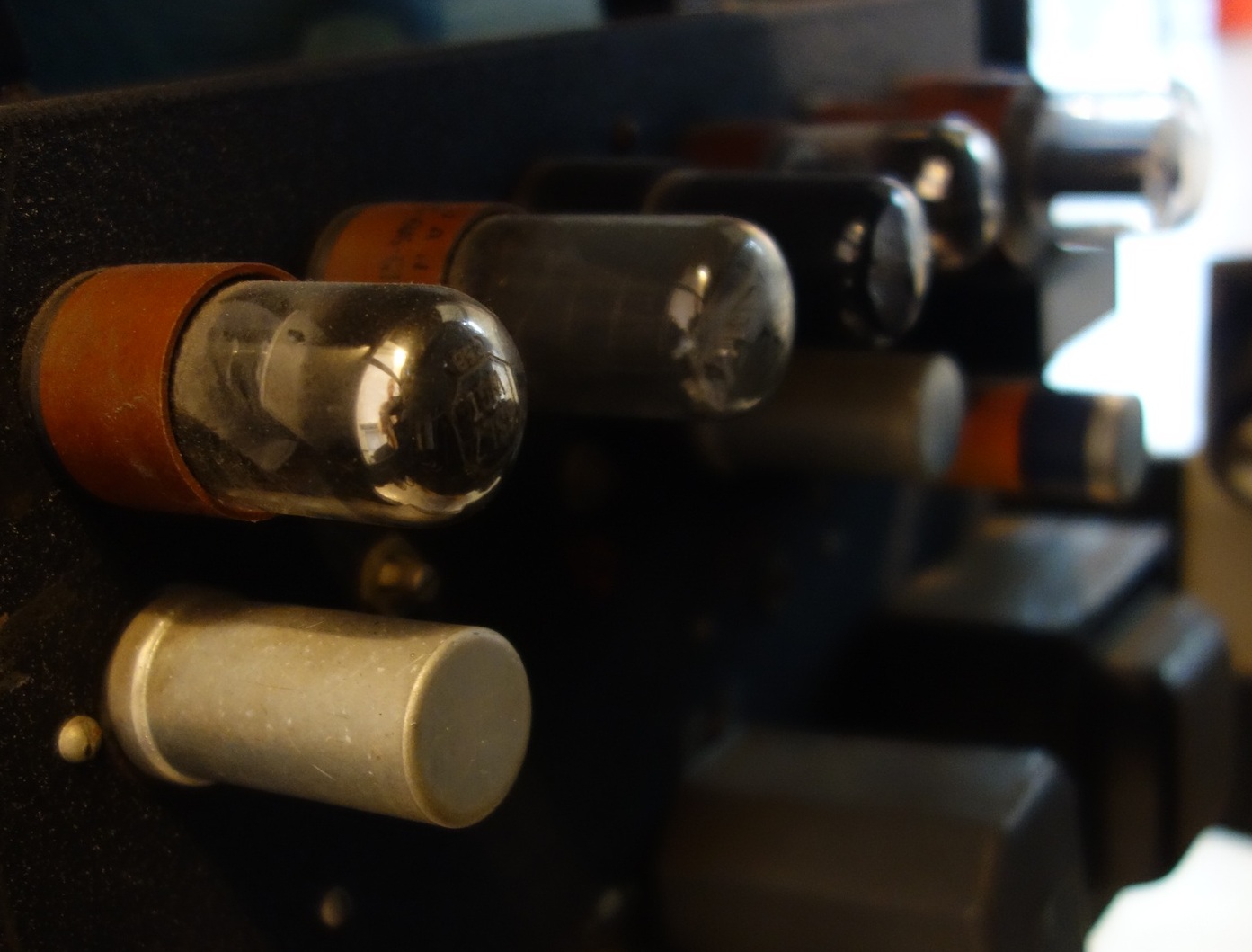
However, the original pneumatic motion system and the instructor’s plotting table with its mirrored flight instruments were no longer present. Large parts of the original electrical and pneumatic systems were also either defective, incomplete or missing entirely.
After rediscovering the trainer, the idea emerged to preserve its historical appearance while bringing it back to operational life using modern technology.
Today, the simulator is privately owned and still located in Bremen, Germany, where restoration and technical redevelopment are ongoing.
The Project
This project aims to bring a Link Trainer that is more than 80 years old back to life.
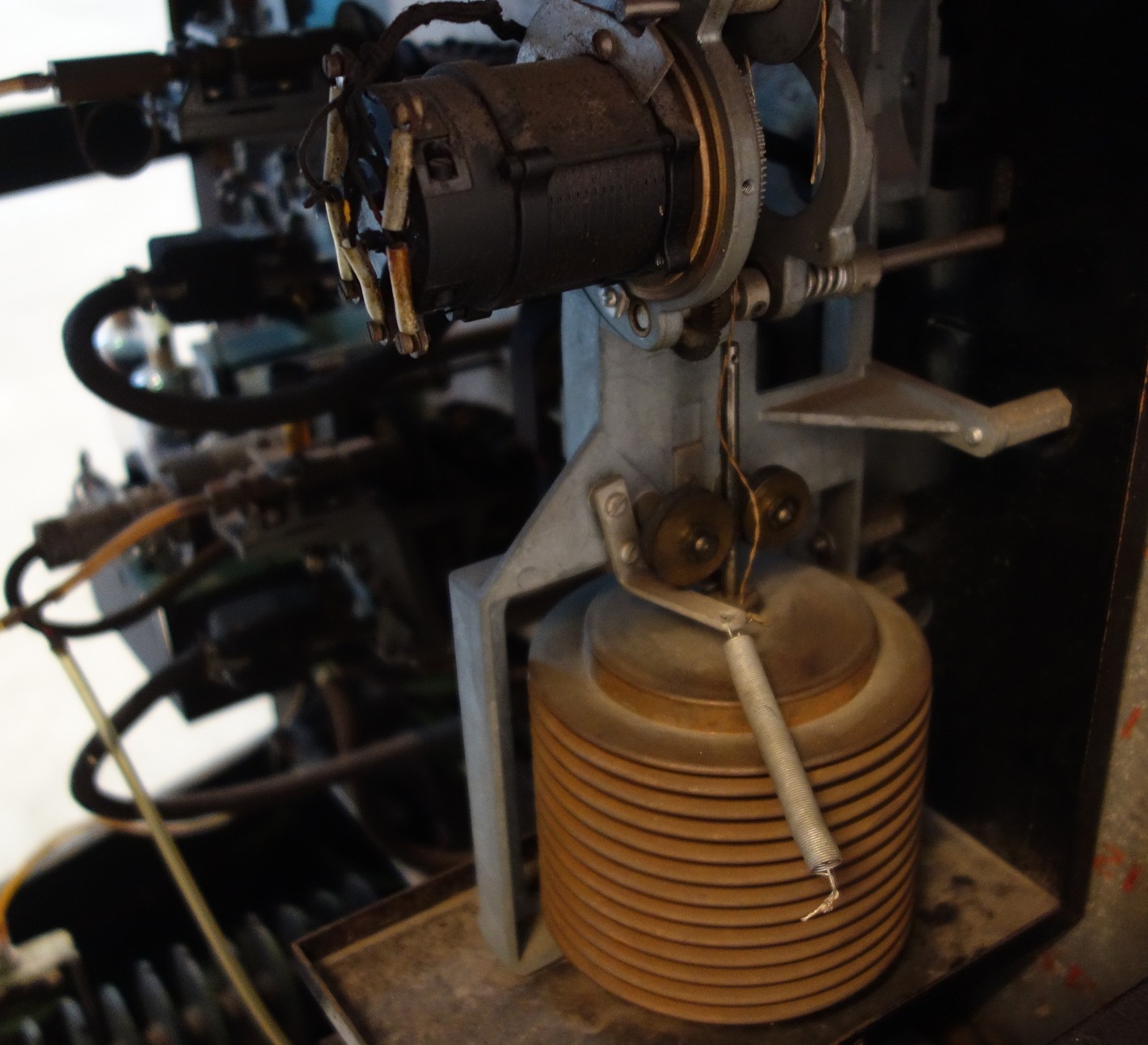
Large parts of the original pneumatic, mechanical and electrical systems are incomplete or no longer functional, making a fully authentic restoration impossible. Instead, the goal is to preserve as many original components as possible while discreetly integrating modern technology behind the scenes.
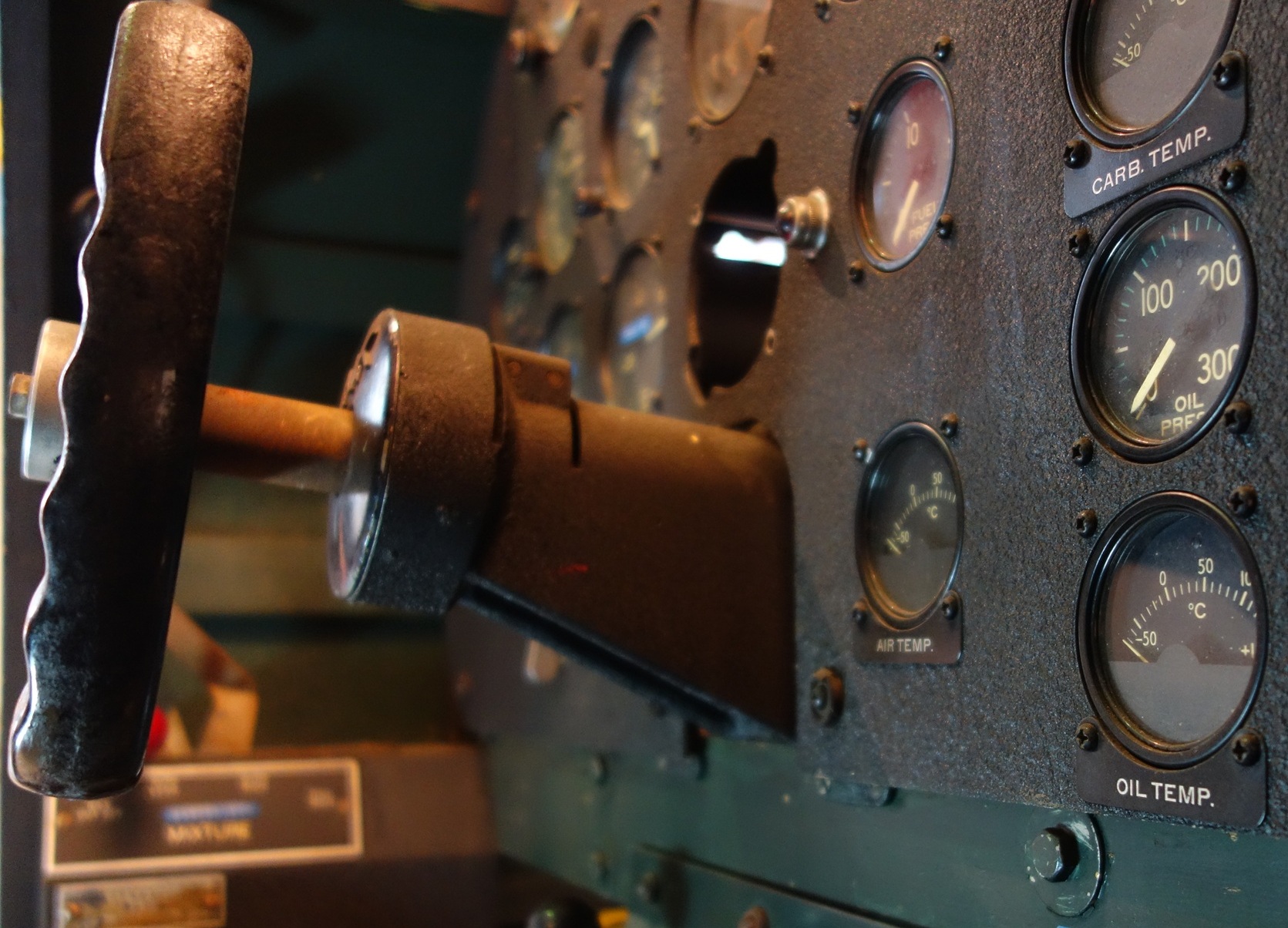
Particular attention is given to preserving the original cockpit layout, controls and analog instruments. Rather than replacing historical hardware with modern displays, the original instruments are being reactivated using custom-built electronics and control systems.
X-Plane 12 is used as the flight model simulation and visual platform. A custom-developed Delphi application exchanges real-time flight data with X-Plane and distributes it to multiple microcontrollers, which operate the original cockpit instruments and simulator systems.
For the first time in the history of this simulator, the Link Trainer is also being enhanced with modern sound and external visual systems — something that would have been unimaginable when the trainer was originally built.
The project combines historical preservation with modern simulation technology in order to recreate the atmosphere and functionality of the original Link Trainer as faithfully as possible.
The progress of the individual system modifications can be seen here:
https://link-trainer.com/restoration-modifications.html
Who We Are
Wigbert
With 35 years of experience in flight simulator maintenance and engineering, Wigbert has worked with a wide range of simulator manufacturers and aircraft types, including the Boeing 757 / Boeing 767 / Boeing 737, Airbus A320, and Cessna Citation CJ1, as well as numerous smaller aircraft platforms.
His experience ranges from room-sized computer systems of earlier simulator generations to modern Windows- and Linux-based platforms. The same applies to simulator interfaces and hardware systems, ranging from large industrial control equipment to compact modern embedded solutions.
Alongside professional simulator work, he has been involved in a variety of electronics, software, and DIY engineering projects over the years, combining traditional hardware with modern control systems and custom-built solutions.
Olaf
Olaf brings more than 40 years of experience and technical expertise in aircraft maintenance. Throughout his career, he has worked extensively on aircraft systems, troubleshooting, mechanical restoration, and technical operations within the aviation industry.
His deep practical knowledge, craftsmanship, and passion for historical aviation technology play a key role in preserving and rebuilding the original systems of the Link Trainer while maintaining as much authenticity as possible.
Now retired, we dedicate much of our spare time to the restoration and redevelopment of the simulator.
Future Plans
At the moment, this is purely a private project driven by the enjoyment of bringing historical technology back to life.
There are plans to make the Link Trainer accessible to others in the future. However, a suitable location for installation and operation still needs to be found.
One long-term goal is to preserve the simulator not only as a historical object, but as a fully operational “living” Link Trainer. Due to the small number of surviving operational units, this project could eventually become one of the few functioning Link Trainers in Europe.
In many ways, the simulator is becoming a hybrid between a historical flight trainer and a modern experimental restoration project.
Suggestions, ideas and recommendations are always welcome.